
DERMAPLANING BAKERSFIELD
Dermaplaning
Dermaplaning is a manual exfoliation treatment that uses a specialized blade to gently remove dead skin cells and fine vellus hair, or "peach fuzz."
AT A GLANCE
A Glimpse of Dermaplaning
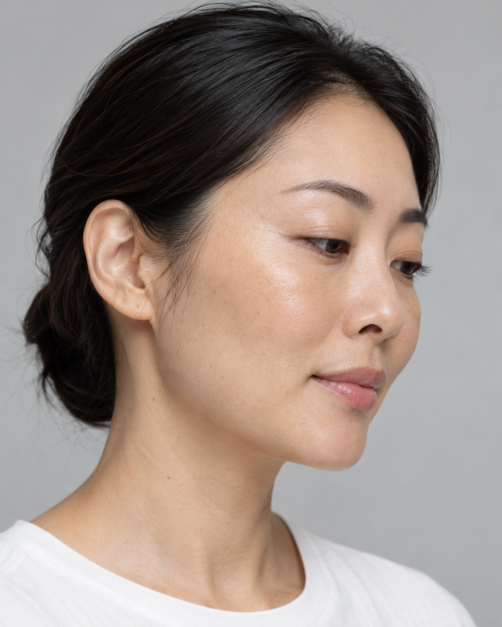
Dermaplaning is a non-invasive exfoliation treatment that involves using a sterile, surgical-grade scalpel to gently scrape away the top layer of dead skin cells and fine vellus hair (also known as "peach fuzz").
Frequently Asked Questions
Dermaplaning is a non-invasive exfoliation treatment that involves using a sterile, surgical-grade scalpel to gently scrape away the top layer of dead skin cells and fine vellus hair (also known as "peach fuzz"). This process reveals the smoother, brighter skin underneath and provides a refreshed appearance.
Dermaplaning is suitable for most skin types, including those with dry, mature, or sun-damaged skin. It's an excellent option for clients who want a deep exfoliation without the use of chemicals. However, we do not recommend it for individuals with active or cystic acne, as it can irritate breakouts.
No, this is a common myth. Dermaplaning removes the fine vellus hair from the surface of the skin. It does not impact the hair follicle itself, so the hair will grow back with the same texture and color as before.
Aftercare is simple. Your skin will be more sensitive to sun exposure, so it is crucial to apply a broad-spectrum sunscreen with an SPF of 30 or higher. We also recommend using gentle, hydrating skincare products and avoiding harsh exfoliants or retinoids for a few days post-treatment.
To maintain your smooth, radiant results, we recommend scheduling a dermaplaning treatment every 4 to 6 weeks. This timing aligns with the skin's natural regeneration cycle, allowing us to effectively remove the dead skin cells that have accumulated.
Yes, dermaplaning is an excellent preparatory step for other facial treatments. By removing the outermost layer of dead skin, it allows for better absorption of products used in treatments like hydrating facials or very gentle chemical peels, enhancing their results.
TREATMENTS BY AREA

Join our newsletter
Get Reveal news, skin care tips, and special offers in your inbox.
By subscribing, you agree to our Spa Policies.